

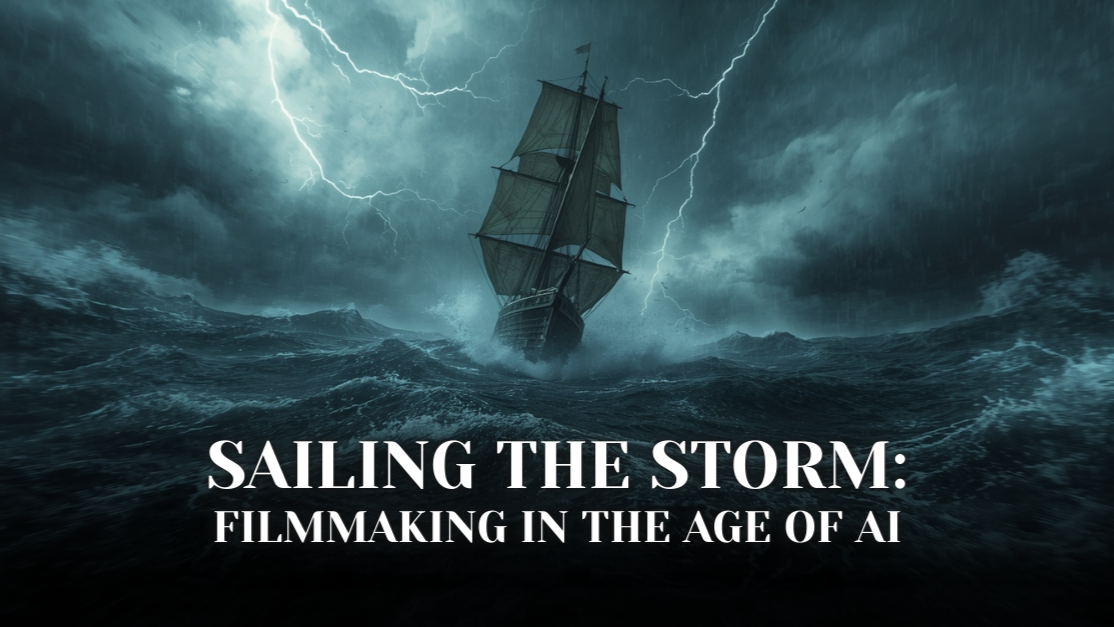
Artificial Intelligence has rapidly entered the creative industries, and filmmaking is no exception. From writing scripts to generating visual effects, AI is reshaping the way stories are told. But the real question is: how should we, as filmmakers, artists, and audiences, respond to this technological shift?
The Current Role of AI in Filmmaking
AI isn’t just a concept anymore. It is already being used in many aspects of the film industry:
- Scriptwriting: Tools like ChatGPT and other AI-driven platforms can help draft story outlines, suggest dialogue, or even generate entire scripts.
- Pre-visualization: AI image and video generators allow directors to quickly visualize scenes, characters, and worlds before they’re shot.
- Editing & Post-production: AI tools speed up color grading, sound design, and even rough cuts, reducing weeks of work into days.
- Visual Effects (VFX): AI helps in rotoscoping, background replacement, and CGI, making high-end effects more affordable.
- Marketing & Distribution: Algorithms predict audience behavior, generate trailers, and even target ads more effectively.
AI is no longer just supporting filmmaking, it’s becoming part of the creative process itself.
The Concerns Around AI in Filmmaking
While exciting, AI also raises important concerns:
- Loss of Human Touch: Film is an emotional art form, and many fear AI-generated stories might lack depth, nuance, and lived experience.
- Job Displacement: Editors, VFX artists, writers, and even actors are worried about being replaced by AI systems that can work faster and cheaper.
- Ethical & Legal Issues: Who owns the rights to an AI-generated script, image, or performance? What if AI replicates an actor’s face without consent?
- Homogenization of Creativity: AI often works on patterns and data, which means it might push storytelling toward safe, predictable structures instead of bold risks.
A Balanced Perspective: AI as a Tool, Not a Replacement
History shows us that every technological leap in cinema has been met with fear before being accepted as a new tool:
- When sound was introduced, people said silent films would die. They didn’t, they evolved.
- When CGI emerged, critics argued practical effects were over. They weren’t, they found new life in hybrid approaches.
- When streaming platforms took over, people feared cinema halls would disappear. They didn’t, they redefined their purpose.
AI should be seen in the same light, not as the end of filmmaking, but as the beginning of a new chapter.
How Filmmakers Should Respond
Instead of resisting AI, filmmakers can take a proactive stance:
- Learn the Tools: Understanding how AI works empowers you to use it more creatively and responsibly.
- Focus on Human Strengths: Emotional truth, cultural context, and personal storytelling can’t be replicated by machines. Lean into what makes human stories unique.
- Collaborate with AI, Don’t Compete: Use AI to speed up workflows, generate ideas, or test possibilities, but let the final voice be yours.
- Push for Ethical Standards: Advocate for rules that protect artists, actors, and writers from exploitation while allowing innovation.
The Future of AI in Cinema
AI will undoubtedly reshape filmmaking, but not in the way many fear. Instead of eliminating creativity, it will broaden access to it. Imagine:
- Independent filmmakers creating studio-quality effects on a fraction of the budget.
- Writers overcoming creative blocks with AI-assisted brainstorming.
- Audiences seeing more diverse films as AI reduces production costs and barriers.
Just like the transition from film reels to digital, AI will eventually become part of the standard toolkit. What will matter most is how we, the creative community, choose to use it.
Closing Thoughts
In the end, AI in filmmaking is not the enemy, it is a new collaborator. The real threats to cinema lie elsewhere: piracy, fractured audience attention, the economics of distribution. These are the battles we should focus on. AI, on the other hand, is offering us a helping hand for survival, a chance to evolve our methods, and a tool to bring more voices and visions to life.
Like every tool before it, AI will not erase filmmaking as we know it, it will reshape it. And that, perhaps, is exactly what cinema has always been about: reinvention.